3-day Kyoto itinerary at a glance
| Day | Area | Highlights |
|---|---|---|
| 1 | Eastern Kyoto | Kiyomizu-dera, the Higashiyama lanes, Fushimi Inari-taisha and an evening in Gion and Pontocho |
| 2 | Arashiyama and northwest Kyoto | Bamboo Grove, Tenryu-ji, Kinkaku-ji and Ryoan-ji |
| 3 | Northern Higashiyama and downtown | Philosopher's Path, Ginkaku-ji, Nanzen-ji, Nishiki Market and Nijo Castle |
Kyoto's sights are spread across the city, so this plan groups them by area to cut transit time. You do not need a car: trains, buses and your own two feet cover everything.
Day 1: Eastern Kyoto
Morning: Kiyomizu-dera. Start early at Kiyomizu-dera, the hillside temple with its wooden veranda over the city. Arriving at opening time beats the crowds.
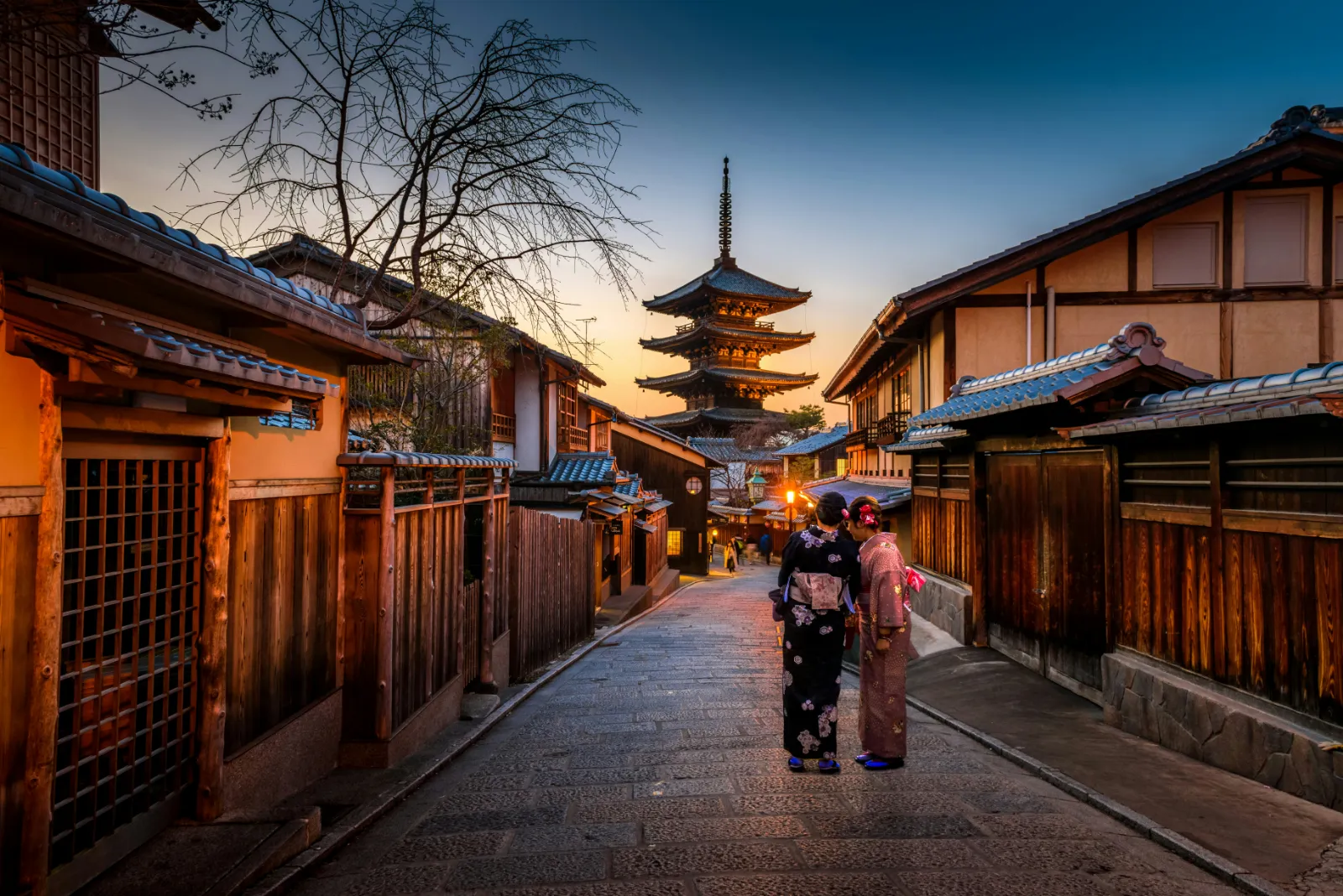
Late morning: Higashiyama. Walk down the preserved lanes of Higashiyama, lined with tea houses and craft shops, and stop for lunch nearby.
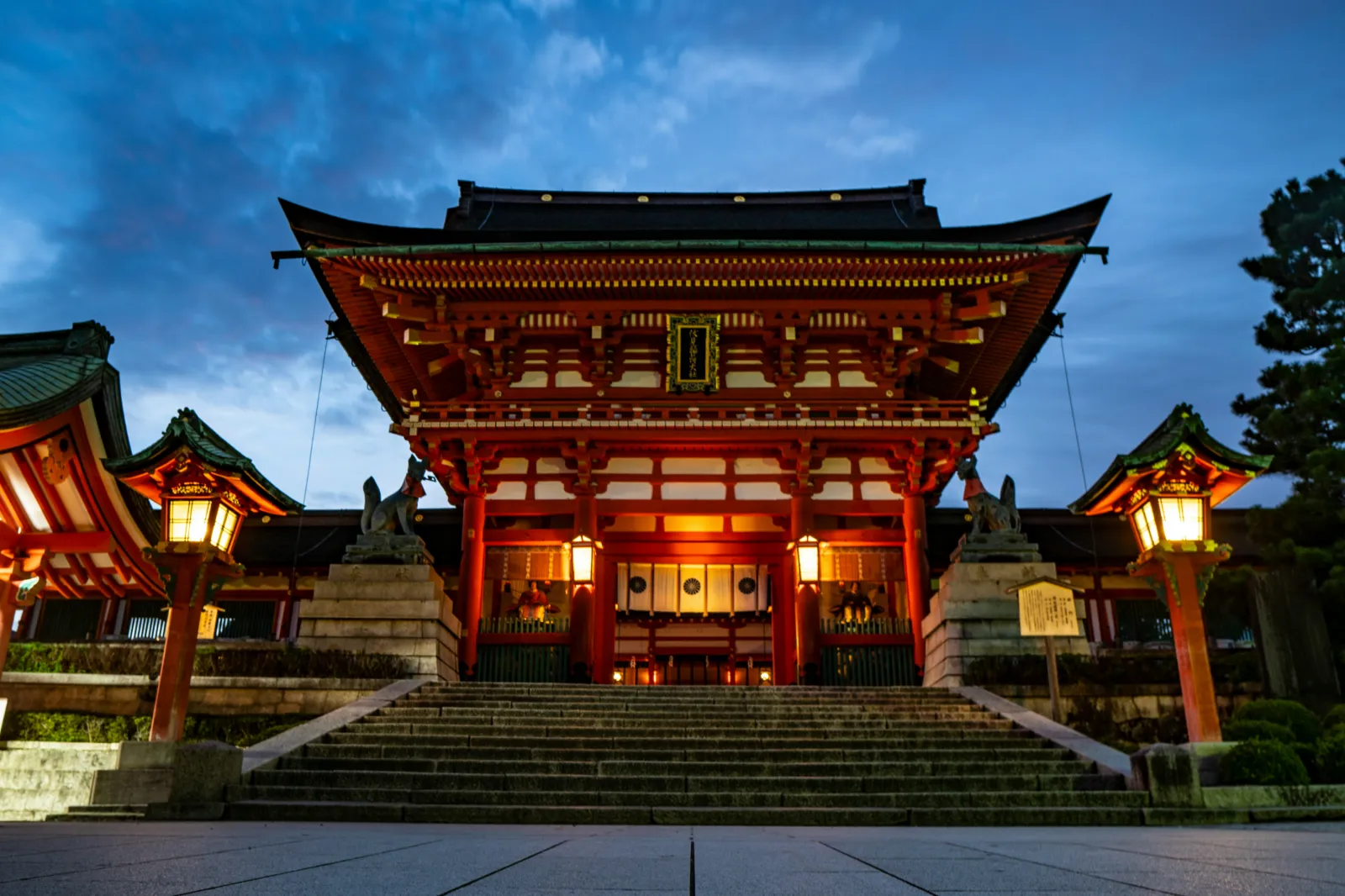
Afternoon: Fushimi Inari-taisha. Take the JR line from Kyoto Station to Fushimi Inari, a short ride away. The shrine's thousands of red torii gates climb the mountain; you can walk as far up as you like, and no ticket is needed.
Evening: Gion and Pontocho. Stroll Gion, the historic geisha district, then have dinner in the lantern-lit alley of Pontocho. Book ahead if you want a traditional kaiseki meal.
Day 2: Arashiyama and northwest Kyoto
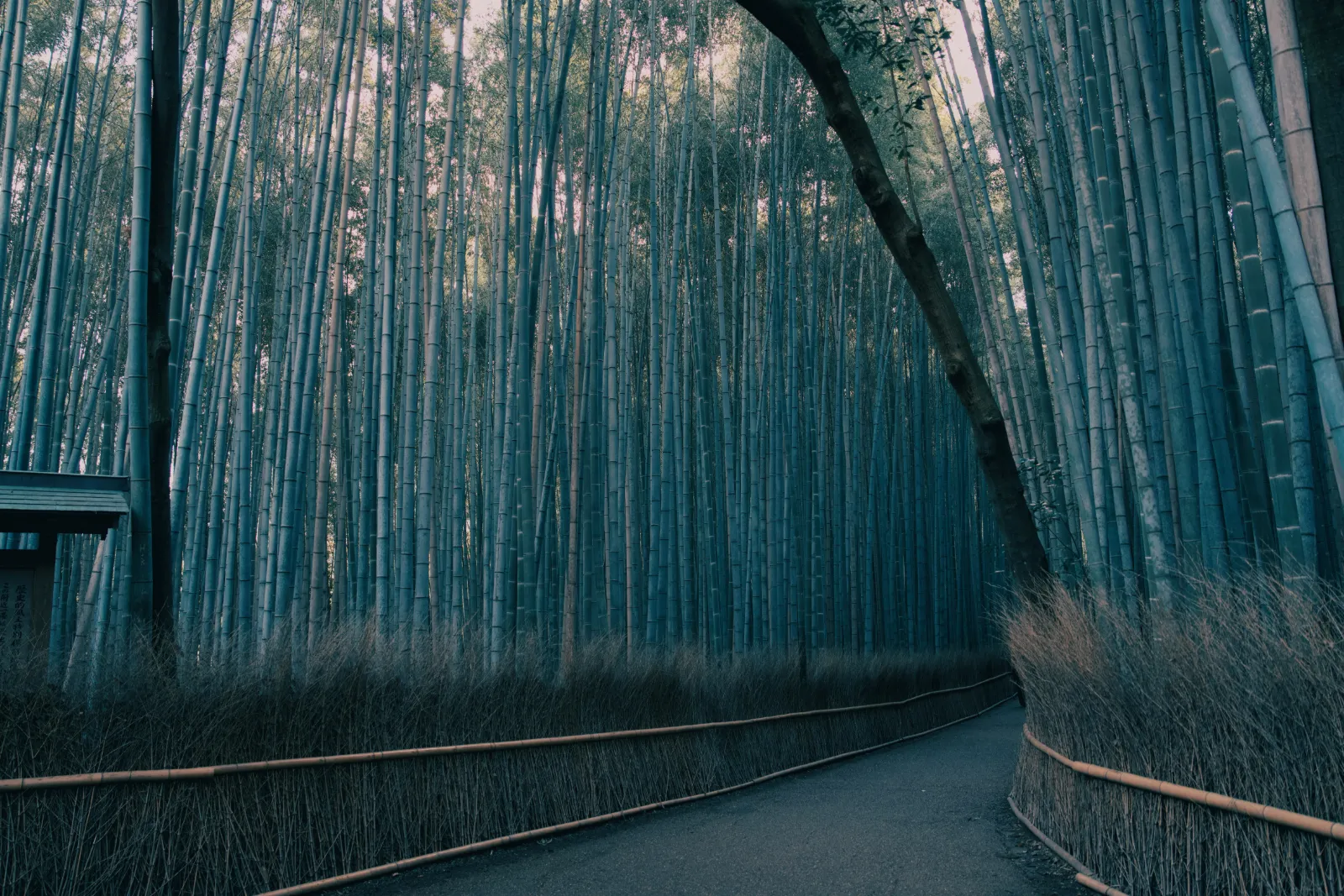
Morning: Arashiyama. Head to Arashiyama early for the Bamboo Grove, then visit Tenryu-ji, a temple with a lovely garden that is a UNESCO World Heritage Site.
Lunch in Arashiyama. The area is full of small restaurants serving tofu and soba.
Afternoon: Kinkaku-ji and Ryoan-ji. Move to the northwest to see Kinkaku-ji, the Golden Pavilion reflected in its pond, and then Ryoan-ji, home to Japan's most famous rock garden. They are a short bus ride or roughly 20-minute walk apart.
Evening: a tea ceremony. Finish with a traditional tea ceremony, a calm way to end a full day.
Day 3: Philosopher's Path and downtown
Morning: Philosopher's Path. Walk the canal-side Philosopher's Path, starting at Ginkaku-ji, the Silver Pavilion, and following the stone path south.
Late morning: Nanzen-ji. End the walk at Nanzen-ji, a large Zen temple with a brick aqueduct that photographs beautifully.
Afternoon: Nishiki Market. Explore Nishiki Market, the food street known as "Kyoto's kitchen", and graze your way through pickles, sweets and skewers.
Late afternoon: Nijo Castle. Visit Nijo Castle, the former residence of the Tokugawa shoguns, famous for its "nightingale floors". Check its closing days before you go.
Kyoto itinerary for 2, 4 or 5 days
- 2 days: keep Day 1 and Day 3, and skip Arashiyama and the northwest temples.
- 4 days: add a day trip to Nara, about 45 minutes by train, for its temples and friendly deer.
- 5 days: add a day in Osaka for street food and nightlife, easy to reach by train from Kyoto.
Building a bigger trip? See our Lisbon itinerary for 3 days for another compact city plan.
Tips: where to stay, getting around and when to go
- Where to stay: the Kyoto Station area is best for train access; Gion and Higashiyama are the most atmospheric; the downtown area near Kawaramachi is great for dining.
- Getting around without a car: trains reach Fushimi Inari and Arashiyama, and city buses cover the temples. Buses get crowded, so start early and consider a rechargeable IC card.
- Comfortable shoes: you will walk a lot, including up steps and along gravel paths.
- When to go: cherry blossom season in spring and the autumn foliage are stunning, but also the busiest times. Book lodging well ahead.
- Temple etiquette: speak softly, follow the posted photo rules and dress modestly.
- Cash: many small shops and temples still prefer cash, so carry some yen.
- What to eat: try kaiseki, Kyoto's multi-course tradition, plus yudofu (simmered tofu), fresh matcha sweets and the pickles sold at Nishiki Market.
- Rainy day: if it pours, swap the outdoor walks for indoor stops such as Nishiki Market, a tea ceremony or a cooking class, and shift the temples to the next dry morning.
- Book ahead: dinner at well-known kaiseki restaurants and tea ceremonies fills up, so reserve before you land.
- Start early: the big sights are calmest right when they open, then get crowded by mid-morning.